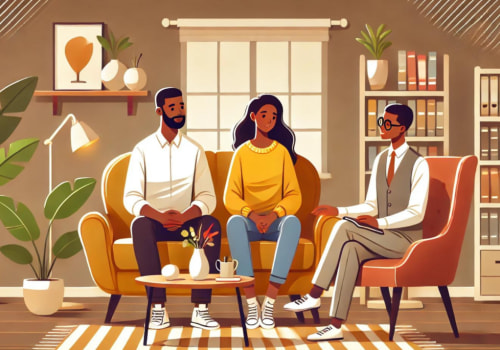
Matchmaking promises clarity at the starting line: shared values, aligned goals, and curated compatibility. Yet even thoughtfully paired couples can struggle once real life replaces profiles and first impressions. Daily routines, stress, communication habits, and unspoken expectations begin to test the match. When that initial framework falters, many couples assume the relationship itself was flawed from the start. But this assumption overlooks a crucial distinction: matchmaking focuses on selection, while marriage counseling focuses on skills. When selection fails to carry couples through complexity, skill-building often makes the difference.
Compatibility Isn’t the Same as Communication
Matchmaking emphasizes compatibility metrics—interests, beliefs, lifestyles—while underestimating how couples communicate when those alignments are challenged. Two people can agree on finances, family, and future plans yet still clash over tone, timing, and emotional needs. Counseling succeeds where matchmaking falls short because it addresses the “how” of interaction. Couples learn to listen without defensiveness, express needs without blame, and interpret differences without escalating conflict. These skills are rarely tested in early dating, but they determine long-term stability.
The Myth of the Perfect Match
Another reason matchmaking can fail is the myth it unintentionally reinforces: that the right partner eliminates friction. When conflict appears, couples may conclude they were mismatched rather than underprepared. Counseling reframes conflict as information, not evidence of failure. It helps partners understand patterns—pursuer versus withdrawer, problem-solver versus processor—and shows how these dynamics can be complementary rather than corrosive. By shifting the goal from perfection to understanding, counseling creates room for growth that matchmaking alone cannot provide.
Life Changes Outpace Initial Pairing
Even the most accurate match is based on a snapshot in time. Careers change, health issues arise, children arrive, and priorities evolve. Matchmaking doesn’t adapt once the pairing is complete, but counseling does. It offers a structured space to renegotiate roles, expectations, and boundaries as life shifts. Couples learn how to revisit agreements without resentment and how to grieve old versions of the relationship while building new ones. This adaptability explains why counseling often succeeds years after a promising match begins to strain.
Repair Beats Replacement
When matchmaking disappoints, the temptation is to start over—find a better fit. Counseling proposes a different strategy: repair. Research consistently shows that the ability to repair after conflict predicts relationship success more than compatibility alone. Counseling teaches repair skills—apologies that land, accountability without collapse, and forgiveness without forgetting. For couples willing to engage, this process can deepen trust beyond what an initial match ever created. In communities where long-term partnership is valued, resources like marriage counseling in Westport, CT are sought not because couples failed to choose well, but because they want to learn how to choose each other again and again.
Why Counseling Works When Selection Doesn’t
Counseling succeeds because it meets couples where they are, not where they hoped to be. It addresses power imbalances, unspoken resentments, and emotional injuries that matchmaking cannot predict. Importantly, it also normalizes struggle. Couples realize they’re not uniquely broken; they’re human, navigating closeness with another complex person. This normalization reduces shame and increases motivation to practice new behaviors—an essential ingredient for change.
Choosing Skills Over Certainty
The lesson isn’t that matchmaking is useless; it’s that selection is only the beginning. No pairing can substitute for the skills required to sustain intimacy over time. When matchmaking fails, counseling succeeds because it trades certainty for competence. It equips couples to handle disagreement, change, and vulnerability with intention. In doing so, it transforms relationships from fragile matches into resilient partnerships—built not on the promise of compatibility alone, but on the practice of connection.